

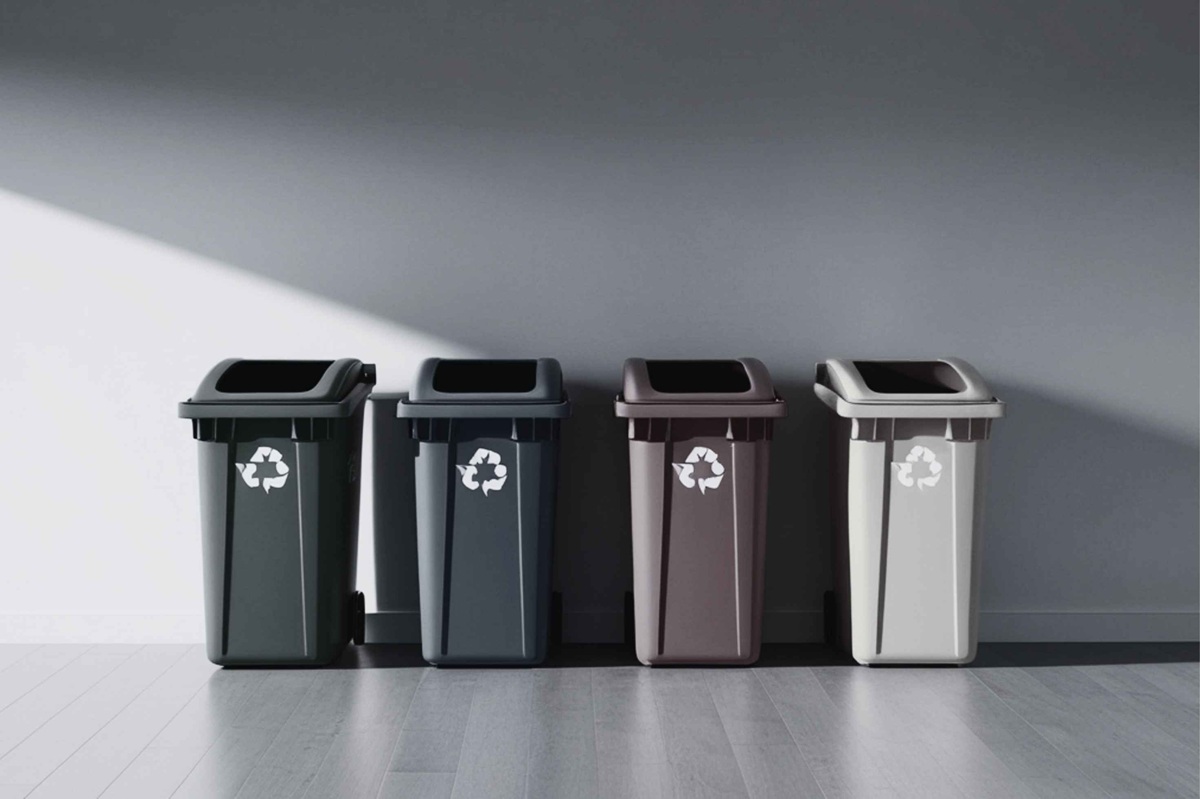
Hotel waste management starts before the bin
Hotel waste management covers how a hotel prevents, separates, collects, measures and disposes of its waste, and how it buys so that less waste arises in the first place. Circularity extends this to reuse, refill, repair and take-back: keeping products and materials in use for longer.
Waste arises in every department — kitchen and banqueting, rooms and housekeeping, wellness, events, purchasing and technical services. HOLITRA sets up prevention, separation and monitoring that work in daily operations, with the aim of avoiding unnecessary purchasing and disposal costs and giving management reliable waste data. It is one of the eight areas of Operations & Implementation, applying the Operations pillar of the HOLITRA Hospitality Sustainability System.
WHO THIS IS FOR
Who we support with waste & circularity

Independent Hotels
A waste system sized to one property and one team: clear routines, fewer unnecessary purchases and disposal costs under control.

Hotel Groups & Operators
Common waste standards and comparable data across properties, with bins, contracts and routines adapted to each local disposal system.

Full-Service Hotels & Resorts
More complex waste streams across restaurants, banqueting, rooms, wellness and purchasing, coordinated between departments.
WHAT WE IMPLEMENT
What we implement in hotel waste management
Six workstreams, combined according to your waste streams and priorities.
01
Prevention at purchasing
Buying less that becomes waste: order quantities, packaging, portion formats, deliveries and supplier take-back.
02
Amenities & single-use items
Refill, dispenser and reusable alternatives for rooms, bathrooms, meetings and events.
03
Separation & collection
A separation system for front- and back-of-house that fits your space, your teams and your local disposal system.
04
Food waste separation & data
Food waste prevention belongs to the F&B area; waste management ensures separate collection and reliable recording.
05
Reuse & repair
Repair and reuse of furniture, textiles and equipment, and circular options when rooms or areas are refurbished.
06
Contractors & data
Disposal contracts, collection routines and waste data that management and reporting can rely on.
WHAT YOU RECEIVE
What you receive from a waste & circularity engagement
Deliverables depend on the properties, waste streams and departments in scope and on what is already in place. We agree them in writing before work starts; not every project needs all of them.
01
Waste stream overview
Where each waste stream arises, how it is collected, who takes it away and what it costs.
02
Prevention plan
Prioritised prevention measures with owners, deadlines and expected effect on purchasing and disposal.
03
Separation concept
Bin positions, labels and rules per area, front- and back-of-house.
04
Waste procedures
Written routines and responsibilities per department, including handover to waste contractors.
05
Waste KPIs & data sheet
The waste figures to record, the KPIs they feed and who keeps them up to date.
06
Packaging & Reuse Review
An overview of relevant single-use items, packaging practices and practical replacement or reuse options, taking applicable market requirements into account.

EU PACKAGING RULES
EU Packaging Rules: What Hotels Need to Prepare For
New EU packaging requirements are changing how hotels approach single-use products, guest amenities, takeaway services and reusable alternatives. HOLITRA helps hotels review operational processes that may be affected, assess practical alternatives and implement changes in daily operations.
Food & Beverage Packaging
Review single-use packaging in restaurants, buffets and takeaway services and identify workable alternatives.
Guest Amenities
Assess disposable amenities, small-format toiletries and potential refill or reuse solutions.
Takeaway & Reuse
Evaluate reusable packaging options and customer-facing procedures where relevant.
Market-Specific Requirements
Consider applicable EU rules for Germany and Austria and the separate regulatory framework in Switzerland.
WHY HOLITRA
Why HOLITRA for waste & circularity in hospitality
HOLITRA combines hospitality-specific sustainability expertise with the qualified specialists required by the scope of the project.

Built specifically for hospitality
Waste routines designed for kitchens, buffets, rooms, wellness, events and seasonal teams.
Prevention first
We start with what is bought and served, where many avoidable purchasing and disposal costs arise.
Audit-side experience
GSTC auditor · ISO 14001 Lead Auditor. Waste data recorded so that it holds up when management, a report or an auditor relies on it.
One connected system across disciplines
Waste data feeds ESG reporting, hotel certifications and continuous improvement: one structure, used consistently.
HOW WE WORK
How a waste & circularity project runs
Where useful, measures are tested with the teams who will use them before being rolled out.
01
Site walk & baseline
A walk through the departments, a look at contracts and invoices, and a first picture of the waste streams.
02
Priorities
The streams and measures with the biggest effect, ranked by quantity, cost and requirements.
03
Changes at the source
Purchasing, packaging and amenity changes agreed internally and, where needed, with suppliers.
04
Set-up on site
Bins, signage, routines and responsibilities put in place front- and back-of-house.
05
Training & pilot
Teams briefed, the system tested in daily operations and adjusted where it does not work.
06
Monitoring & follow-up
The data routine running and first results reviewed. Further reviews can continue as ongoing sustainability management.
Go deeper
Practical insights into waste, food waste and guest behaviour in hospitality.

Food Waste Reduction in Hotels
Hotel Guest Sustainability Behaviour

Hotel Certification Readiness
FAQs
Waste and Circularity for Hotels
What does hotel waste management include?
Hotel waste management covers waste prevention, separation, collection, measurement and disposal across all departments: kitchen and banqueting, rooms and housekeeping, wellness, events, purchasing and technical services. It starts with what the hotel buys, because waste that is not bought in does not need to be handled or paid for.
What is circularity in a hotel?
Circularity means keeping products and materials in use for longer: refill and reusable solutions instead of single-use items, take-back agreements with suppliers, repair and reuse of furniture, textiles and equipment, and recycling of what remains. Broader sustainable sourcing and supplier management belong to procurement & supply chain.
What do the new EU packaging rules mean for hotels?
The EU Packaging and Packaging Waste Regulation (PPWR) is changing how hotels handle single-use packaging, guest amenities, takeaway services and reusable alternatives. Its requirements apply in EU countries such as Germany and Austria; Switzerland has a separate regulatory framework. HOLITRA supports hotels in reviewing operational processes that may require adaptation, assessing practical alternatives and implementing changes in daily operations.
Do you provide legal advice on packaging rules?
No. We review packaging practices and practical alternatives from an operational perspective, taking applicable requirements into account. A formal legal compliance opinion remains with your legal adviser.
How is food waste handled?
Food waste is reduced within the F&B area of Operations & Implementation; the waste system makes sure it is separated, collected and recorded. Our article on food waste reduction in hotels explains the approach in the kitchen and at the buffet.
Is waste management only relevant for certification?
No. Waste management has operational value of its own: lower purchasing and disposal costs, workable routines and reliable data. Where a hotel holds or plans a sustainability certification or ISO 14001, the same waste system provides the evidence the scheme asks for.
How does waste data feed ESG reporting?
Waste quantities by stream and treatment route are standard disclosures in sustainability reporting frameworks such as GRI and ESRS, and waste generated in operations is a Scope 3 category in greenhouse gas accounting. The monitoring routine we set up delivers this data for ESG reporting and the carbon footprint.
Can a hotel group use one waste standard across properties?
Yes, with local adjustments. Separation rules and disposal systems differ by country and municipality, so a group standard sets common principles, routines and KPIs, and each property adapts bins and contracts to its local system.

Less waste, from purchasing to the bin
Tell us about your properties, your main waste streams and what is driving the change. We tell you where to start and what it takes.